Choosing a Dog Training Class: Methods, Sizes and Red Flags
Dog training is unregulated, and classes differ enormously. How to find one that suits your dog, and the warning signs that should send you elsewhere.

- Look for reward-based training, small classes and a trainer who is happy for you to watch a session first.
- Be wary of guarantees, of secrecy about methods and of any class that relies on pain or intimidation.
- Classes teach you. Progress comes from a few minutes of practice at home each day.
Almost anyone can call themselves a dog trainer. In most places there is no licence, no required qualification and no inspection. The quality of classes varies accordingly, from excellent to actively unhelpful.
The good news is that a good class is not hard to recognise. You simply need to know what to look for, and to watch one before you pay.
What a class is for
A training class does not train your dog. It teaches you how to train your dog, and gives you both a place to practise around distractions.
The hour in the hall is a lesson. The learning happens in the few minutes of practice you do at home each day.
Types of class
Classes are usually grouped by age and experience.
| Class | Typical age | What it covers |
|---|---|---|
| Puppy class | About 8 to 20 weeks | Socialisation, handling, toilet training advice, first cues |
| Basic manners | Any age | Sit, down, stay, recall, walking on a loose lead |
| Adolescent or intermediate | 6 months and up | Reliability around distractions |
| Specialist classes | Any age | Reactivity, scent work, agility, tricks |
| Private lessons | Any age | Specific problems, one to one |
For a dog with fear or aggression towards people or other dogs, a group class is usually the wrong starting point. Speak to your vet, who can rule out medical causes and refer you to a qualified behaviour professional.
Methods
Modern training is built on rewarding the behaviour you want. The dog learns that sitting, coming when called or walking beside you makes good things happen.
Major veterinary and behaviour organisations recommend reward-based methods, on the grounds that they are effective and avoid the risks of fear and anxiety associated with punishment-based training.
Ask any trainer three simple questions. What happens when my dog gets it right? What happens when my dog gets it wrong? Are there less intrusive options than what you are proposing?
A good trainer can explain exactly what they will do, and why, in plain language.
Class size
Small classes mean more individual attention. Around six to eight dogs per instructor is a reasonable upper limit. Fewer is better for puppies.
Look at the space as well. Dogs need enough room to work without being crowded, and nervous dogs need somewhere to retreat.
Watch a class first
This is the single most useful thing you can do. A good trainer will welcome it. Leave your dog at home and observe.
- Are the dogs relaxed and engaged, with loose bodies and wagging tails?
- Are the owners enjoying themselves?
- Does the trainer give individual help, and treat people kindly?
- Are instructions clear and broken into small steps?
- Is a struggling dog given space, or pushed harder?
How a trainer treats the humans tells you a great deal. You are the one who will be taught.
Red flags
Some warning signs should end the conversation.
- Guarantees. Behaviour depends on the dog, the owner and the environment. No honest trainer promises results.
- Secrecy. Refusing to let you watch, or to explain methods.
- Pain or intimidation. Jerking, pinning, shouting or equipment designed to cause discomfort.
- Talk of dominance. The idea that dogs misbehave to seek status over their owners is not supported by modern behaviour science.
- Sending the dog away. Be very cautious about any arrangement where you cannot see how your dog is handled.
Qualifications
Because the field is unregulated, credentials are a guide and not a guarantee. Look for certifications that require an assessment, a code of conduct and continuing education.
Ask how long the trainer has been teaching and what kinds of dog they work with most. Recommendations from your vet, a local rescue or owners of well-mannered dogs are worth a great deal.
Puppy classes
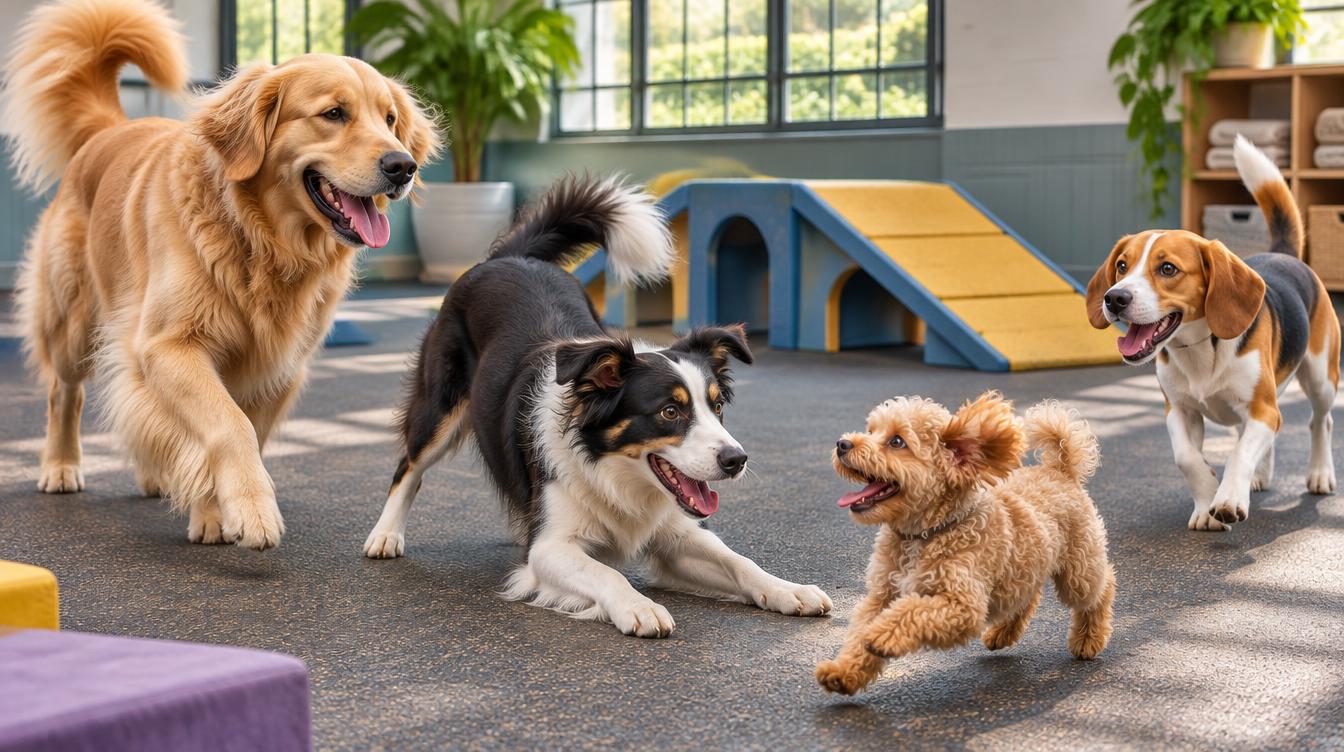
A good puppy class is as much about confidence as commands. Puppies should meet a variety of people, surfaces and sounds, with play that is supervised and matched by size and temperament.
Play should be interrupted frequently, so that puppies learn to calm down and return to their owners. A free-for-all teaches the wrong lessons.
Ask about vaccination requirements and how the venue is cleaned. Your vet can advise when it is appropriate for your puppy to start.
What to bring
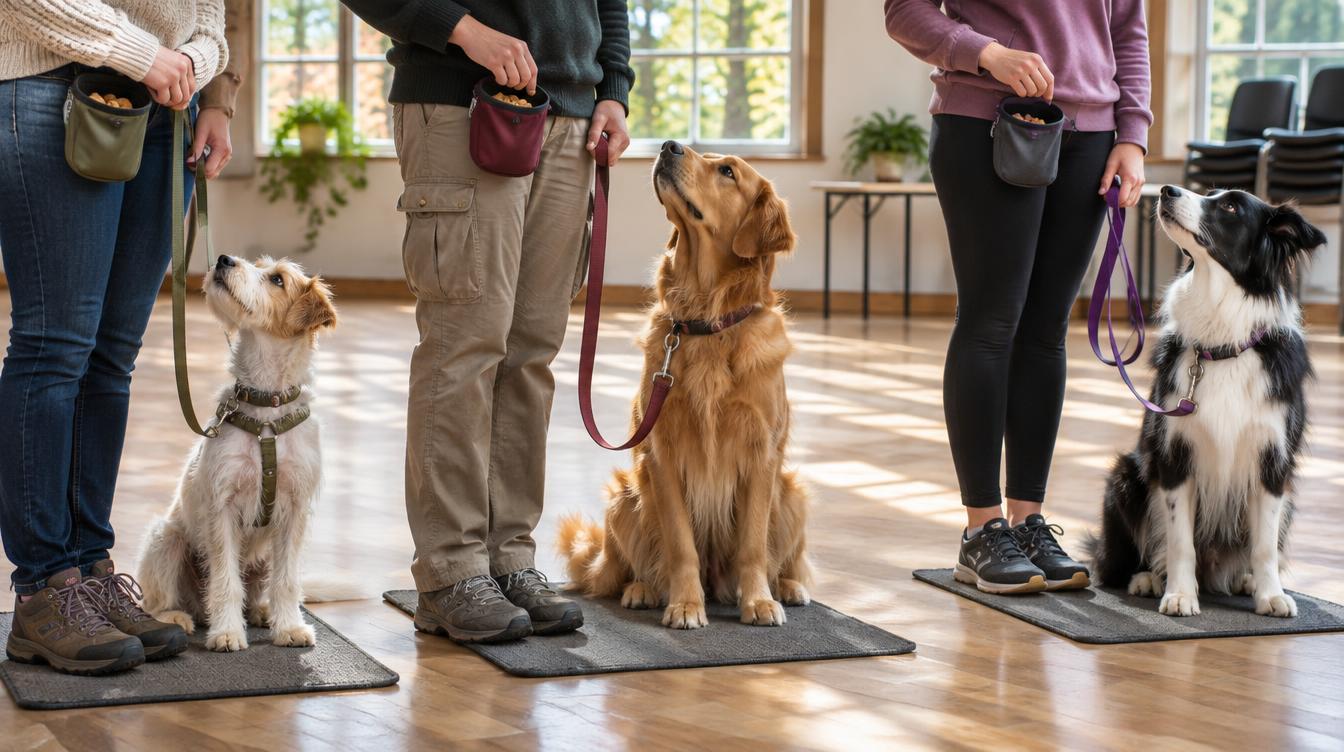
Most classes ask for a flat collar or harness, an ordinary lead, a mat or blanket and plenty of small, soft treats.
Bring more treats than you think you will need, cut to the size of a pea. Do not feed a large meal beforehand. A slightly hungry dog pays better attention.
Group or private?
Group classes cost less and teach a dog to concentrate around other dogs and people, which is a skill in itself.
Private lessons cost more per session and can be tailored exactly to your home and your dog. They are the better choice for specific problems and for dogs that find a group overwhelming.
What progress looks like
Progress is uneven. A dog may perform beautifully one week and appear to have forgotten everything the next, particularly during adolescence.
Judge by the trend over a month, not by a single session. If you are stuck, tell the trainer. Adjusting the plan is part of their job.
When a class is not enough
Sudden changes in behaviour, growling, snapping or signs of severe anxiety are not training problems to work through in a hall. See your vet first.
They can check for pain or illness, which often lie behind behaviour changes, and refer you to an appropriately qualified behaviourist.
The right class
The right class is one where your dog is keen to walk in, you understand what you are being asked to do and you leave each week with something specific to practise.
Find that, put in your five minutes a day, and the results tend to take care of themselves.
Frequently asked questions
What age should a puppy start training classes?
Many puppy classes accept puppies from around eight to ten weeks old, once they have begun their vaccinations. Ask your veterinarian and the class provider about their vaccination requirements before enrolling.
Are group classes or private lessons better?
Group classes are good value for basic manners and for getting a dog used to working around others. Private lessons suit specific problems, nervous or reactive dogs, and owners who want training tailored to their home.
How do I know if a dog trainer is qualified?
Dog training is largely unregulated, so anyone can use the title. Look for a recognised certification that requires assessment and continuing education, ask about the trainer's methods and experience, and watch a class before you sign up.