Boarding, Daycare or Sitter? Choosing Care for Your Dog When You Travel
The best arrangement is the one that suits your dog's personality. A calm guide to the options, the questions to ask and how to prepare.

Every trip that does not include the dog begins with the same question: who will look after them? It can cast a shadow over a holiday before it starts.
There are more good answers than there used to be. The trick is matching the kind of care to the kind of dog you have, rather than choosing on price or distance alone.
The main options
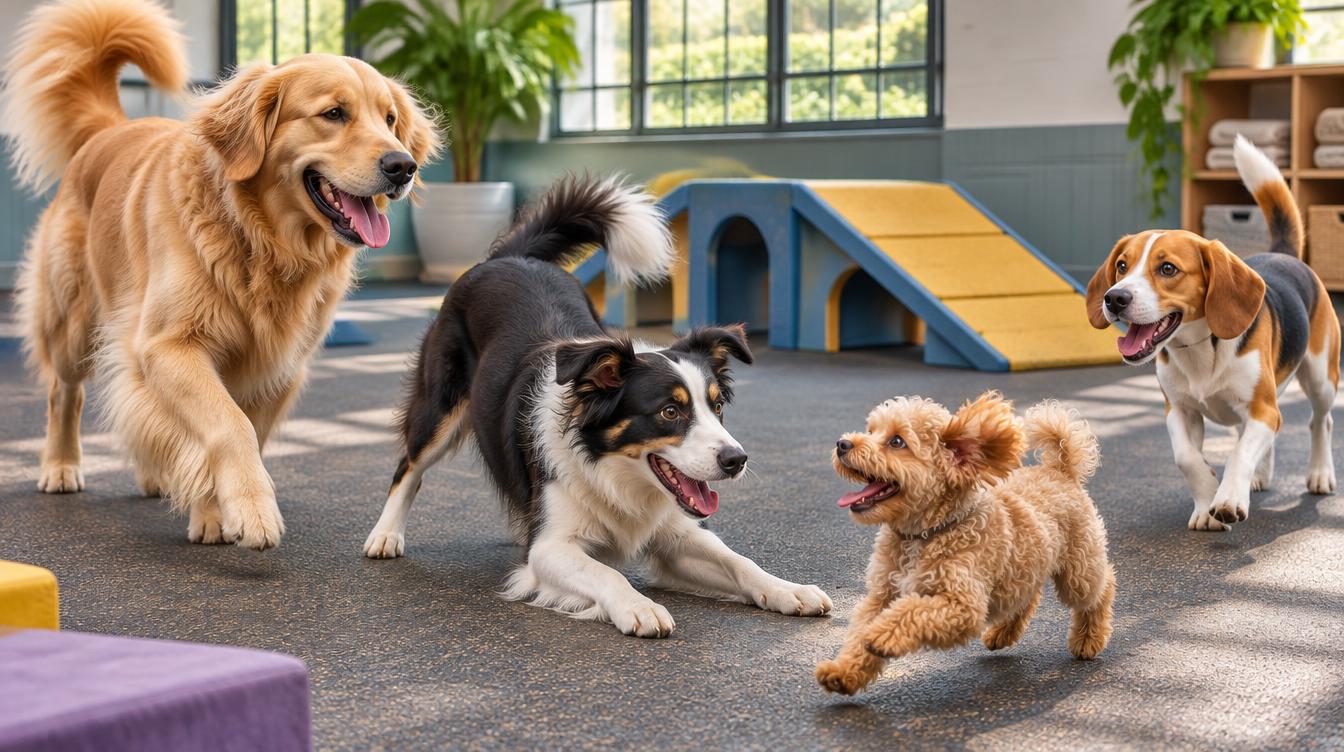
A boarding kennel houses dogs in individual runs or rooms, with set times for exercise. Standards range from basic to something like a small hotel, with play sessions, webcams and private suites.
Home boarding places your dog in a carer's own house, usually alongside one or two others. It is quieter and closer to normal family life.
A pet sitter stays in your home or visits several times a day. Your dog keeps its own bed, garden and routine.
Daycare is a daytime service, useful for long working days and as a way of getting a dog used to being cared for by other people before a longer stay.
| Option | Best for | Think twice if |
|---|---|---|
| Boarding kennel | Confident, sociable dogs | Your dog is anxious or noise-sensitive |
| Home boarding | Dogs used to family life | Your dog dislikes other dogs |
| Sitter in your home | Older, nervous or routine-loving dogs | You are uneasy about someone staying in your house |
| Drop-in visits | Independent dogs, short trips | Your dog struggles when left alone |
Start with your dog, not the brochure
A young, outgoing dog who loves the park may thrive in a busy kennel with group play. For that dog, a week of boarding is a holiday.
An older dog, a shy one or one who has never spent a night away from home may find the same place overwhelming. A sitter or a quiet home boarder is usually kinder.
Choose the care that suits the dog you have, not the dog you wish you had.
Visit before you book
Any reputable kennel or home boarder will be happy to show you round. Go in person, ideally unannounced during opening hours.
- Is it clean, and does it smell clean?
- Are the dogs you can see relaxed, or barking constantly?
- How many staff are there for the number of dogs?
- Where do dogs sleep, and how are they separated?
- How often, and for how long, do they go outside?
- What happens if a dog becomes unwell?
Trust your impression. If something feels off, keep looking.
Paperwork to expect
Most facilities ask for proof of current vaccinations before accepting a dog, and requirements differ from place to place. Ask what they need well ahead of time, because some vaccines must be given a set number of days before a stay.
Your veterinarian can tell you what your dog is due and provide the records. Bring copies with you on the first day.
Questions for a sitter
A sitter will be alone with your pet and your home, so take time over the choice. Ask for references and actually call them.
Check that they are insured, ask what they would do in an emergency and arrange a meeting so you can see how they and your dog get on. A good sitter will ask you plenty of questions as well.
Do a trial run
Before a long trip, book a single day of daycare or one overnight stay. It shows you how your dog copes and gives them a memory of you coming back.
Dogs who have had a short, happy visit usually settle much faster the second time.
Book earlier than you think
Good places fill quickly around school holidays and long weekends. As soon as your travel dates are fixed, reserve the care.
What to pack
Familiar things help a dog settle. Keep it simple and label everything.
- Their usual food, portioned by meal, with a little extra.
- Any medication, with written instructions.
- A blanket or bed that smells of home.
- One or two favourite toys.
- Your contact details and those of a local emergency contact.
Stick to their normal food. A sudden change of diet, together with a change of surroundings, is a common cause of upset stomachs.
The drop-off
Keep goodbyes short and cheerful. Dogs read our mood closely, and a long, emotional farewell tells them something is wrong.
Hand over the lead, say a calm goodbye and go. Most dogs are busy exploring within minutes.
While you are away
Ask how updates work. Many kennels and sitters send a photo or a short message each day, which does wonders for peace of mind.
Resist the urge to call repeatedly. One update a day is plenty, and no news is almost always good news.
Coming home
Your dog may be tired, thirsty and a little clingy for a day or two after a stay. That is normal. They have had a stimulating time and are glad to be back.
Offer water, a quiet evening and their usual routine. If anything worries you, speak to your vet.
The right answer
There is no single best form of care, only the best fit. Sociable dogs often love kennels and daycare. Homebodies do better with a sitter.
Choose with your dog's character in mind, visit before you commit and do a trial run. Then go and enjoy your trip. They will be fine, and delighted to see you.