How to Choose a Dog Groomer (and What a Good Appointment Looks Like)
A good groomer keeps a dog comfortable as well as tidy. Here is how often different coats need attention, and how to find someone your dog trusts.
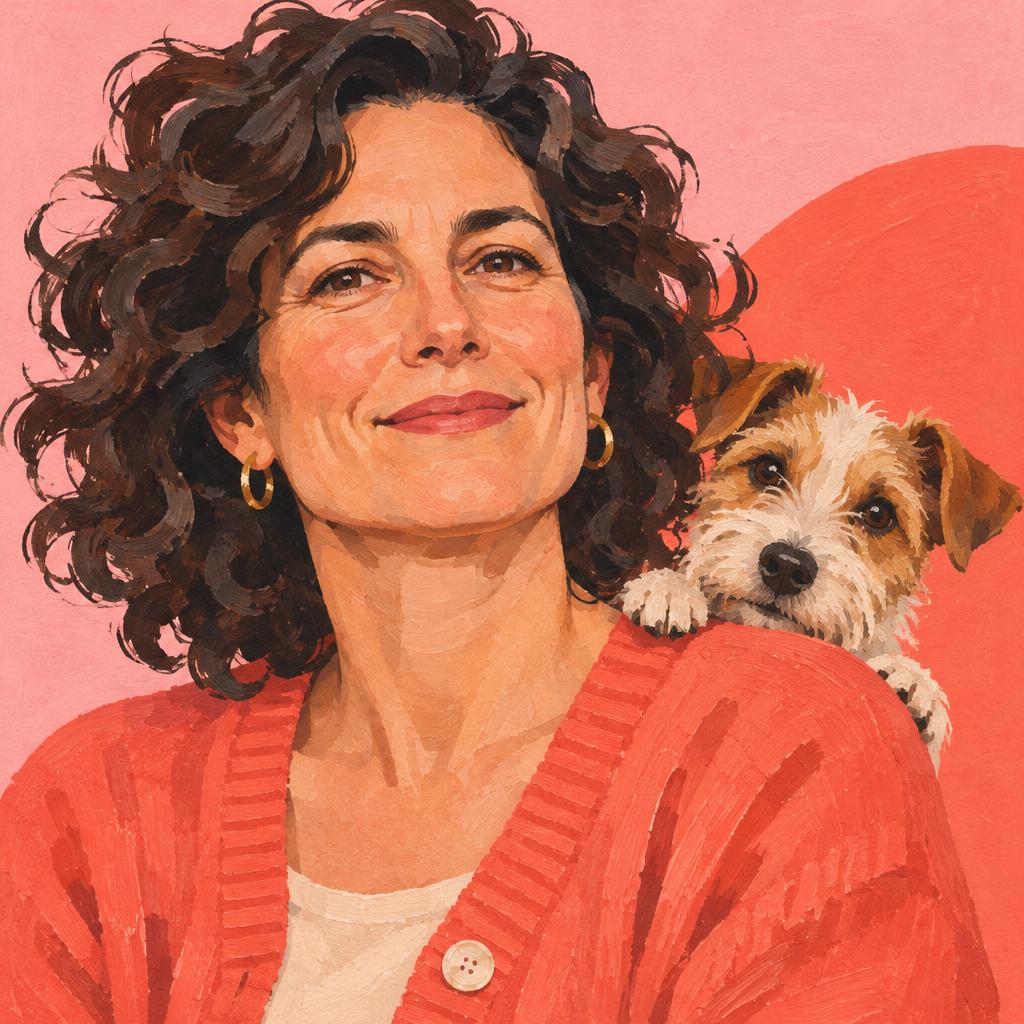
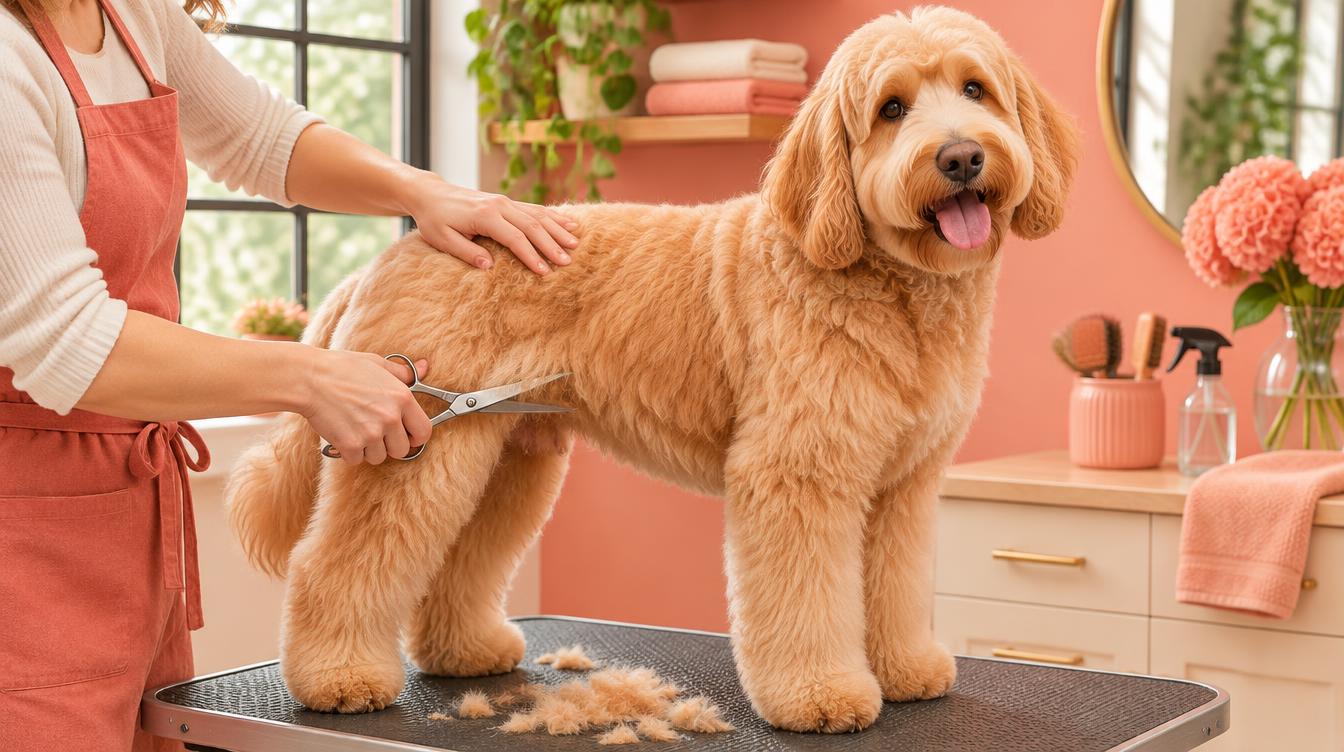
For some dogs, grooming is an occasional bath and a nail trim. For others, particularly curly and long-coated breeds, it is a regular appointment that never ends.
Either way, the person holding the scissors matters. A good groomer keeps your dog comfortable and often notices small changes in skin and coat before you do.
How often does a dog need grooming?
It depends almost entirely on the coat. Short, smooth coats look after themselves with brushing and an occasional bath. Coats that keep growing need regular trimming.
Curly coats are the most demanding. They shed very little, which is why people love them, and the loose hair stays trapped in the coat and tangles unless it is brushed out.
Why mats matter
A mat is a tight knot of tangled hair. Left alone, mats pull on the skin, trap moisture and become uncomfortable.
Badly matted coats usually cannot be brushed out without distress. The kind solution is to clip the coat short and begin again. A groomer who recommends this is not being lazy. They are putting the dog first.
A short, comfortable coat is always better than a long, tangled one.
Salon, mobile or self-service
Grooming salons are the most common choice and usually the least expensive. Your dog spends a few hours there, often with other dogs nearby.
Mobile groomers come to you in a fitted van. Your dog is the only client, which suits nervous, elderly or easily overwhelmed animals. It typically costs more.
Self-service dog washes provide a raised bath, warm water and dryers for you to use. They suit a simple bath between professional appointments.
| Option | Good for | Keep in mind |
|---|---|---|
| Salon | Most dogs, regular trims | Busier and noisier |
| Mobile groomer | Nervous or older dogs | Higher price, book ahead |
| Self-service wash | Baths between grooms | No trimming, you do the work |
What to look for
Visit before you book. The salon should be clean, tidy and reasonably calm, and staff should be happy to answer questions.
- Do they ask about your dog's age, temperament and any sensitivities?
- How are dogs dried, and are they supervised throughout?
- Where do dogs wait before and after their groom?
- How long will the appointment take?
- What do they do if a dog becomes stressed?
Many groomers hold certificates from training schools or trade associations. A recommendation from an owner whose dog has a similar coat is just as useful.
The first appointment
A good groomer begins with a conversation. They will run their hands over your dog, check the coat and ask what you want.
Be specific. Words like short and tidy mean different things to different people, so bring a photo if you have a look in mind. Mention anything your dog dislikes, such as having their feet handled.
What a full groom includes
A standard full groom usually covers a bath, drying, brushing, a trim or clip, a nail trim and ear cleaning. Extras such as teeth brushing may be offered.
Ask exactly what is included in the price, and whether there is an extra charge for de-matting or for a dog who needs more time.
Start puppies early
Take a puppy for a short introductory visit once your vet says they are ready to go out. A gentle bath, a little brushing and the sound of the dryer are enough for a first time.
Dogs who learn young that grooming is ordinary tend to stay relaxed about it for life.
Your part between visits
Regular brushing at home is what makes professional grooming easier and cheaper. For curly and long coats, that means brushing down to the skin several times a week, not only over the surface.
Ask your groomer to show you the right brush and comb for your dog's coat. Five minutes of instruction saves a great deal of trouble.
Signs of a good groomer
Your dog's behaviour is the best review. A dog who walks in willingly, or even pulls towards the door, is telling you something.
Some nerves are normal, especially at first. Lasting reluctance, or a dog who comes home unusually subdued, is worth a conversation with the groomer.
When to speak to your vet
Groomers often notice lumps, sore patches, ear trouble or changes in the skin. A good one will mention them to you.
They are not veterinarians, and anything they spot should be checked by yours.
A relationship worth keeping
Once you find a groomer your dog likes, book the next visit before you leave. Regular appointments keep the coat manageable and the cost steady.
The best grooming routine is the one your dog barely notices: a familiar face, a comfortable hour or two and a clean coat to take home.